

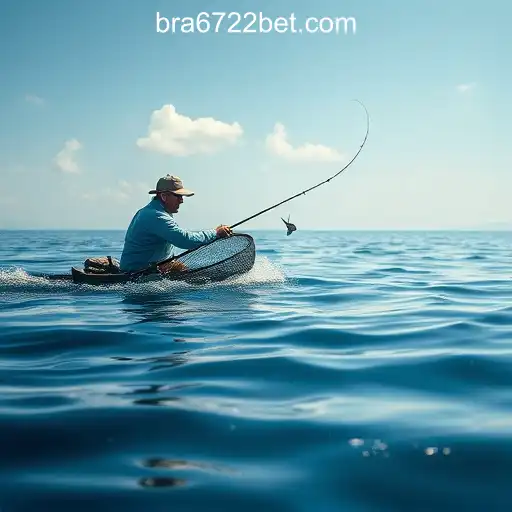
Exploring the World of Fishing
Fishing is a timeless endeavor that has captured the interest of individuals for centuries, blending both art and science in a delicate balance. With its rich history, fishing has evolved into a multifaceted activity that serves various purposes, from sustenance to sport to recreation. In this article, we delve into the intricate world of fishing, exploring its many facets and how it has become a significant part of human culture and livelihood.
The Historical Context of Fishing
The practice of fishing dates back to prehistoric times, where it was a critical means of survival. Ancient civilizations relied heavily on fishing as a primary food source. Techniques were passed down through generations, evolving and adapting to the needs and environments of each tribe and community.
Over time, fishing techniques became more sophisticated. The ancient Egyptians developed nets and fishing rods, while the Greeks and Romans advanced techniques for both freshwater and saltwater fishing. These developments laid the groundwork for modern fishing methods, which continue to evolve today.
Traditional Fishing Techniques
Several traditional fishing methods are still used in various parts of the world, showcasing the ingenuity of early fishing communities. Methods like netting, spearfishing, and trapping have stood the test of time, utilized both in commercial and recreational fishing.
Netting, one of the most common methods, involves using woven nets to capture multiple fish at once. This technique requires skill and precision to ensure a successful catch without overfishing.
Spearfishing is an even older method, in which individuals use spears or harpoons to catch fish one at a time. This method necessitates a high level of skill and understanding of marine life behavior.
Lastly, trapping involves setting up barriers or traps to capture fish as they move, requiring knowledge of fish patterns and habitats.
Modern Fishing Practices
As technology has progressed, so too have the practices of fishing. Today, fishing is as much a science as it is an art, with technological advancements leading to more efficient and sustainable practices.
Commercial Fishing
Commercial fishing is a global industry that provides employment to millions of people and supplies a significant portion of the world's food supply. Various techniques such as trawling, longlining, and purse seining are used on a large scale to meet the demands of global consumption.
Trawling involves dragging large nets through the water, capturing everything in their path. This method is effective for large-scale operations but has raised concerns over its environmental impact, particularly bycatch—capturing unintended marine life.
Longlining, on the other hand, uses a main line with thousands of baited hooks attached, targeting specific species like tuna and swordfish. While more selective, it poses threats to bycatch like seabirds and turtles.
Purse seining utilizes a large wall of netting to encircle schools of fish, typically used to catch species like herring or sardines. This method is efficient but must be managed to prevent overfishing.
Recreational Fishing
Recreational or sport fishing has grown immensely in popularity. It serves as a leisurely activity that also tests skill, patience, and knowledge of marine ecosystems. Anglers engage in this practice for pleasure or competition, often releasing catches back into the water as part of conservation practices.
Catch-and-release is a common approach, promoting sustainability while allowing anglers to enjoy the thrill of the catch. Various types of fishing fall under recreational fishing, such as fly fishing, ice fishing, and baitcasting, each requiring its own techniques and equipment.
Environmental and Economic Impact
The impact of fishing extends beyond the immediate catch. It plays a significant role in the economy, providing livelihoods and contributing to food security. However, it also presents environmental challenges, necessitating careful management and conservation efforts to sustain marine biodiversity.
Overfishing is one of the critical issues facing the industry today. Unsustainable practices can lead to the depletion of fish stocks, threatening ecosystems and communities dependent on fishing. Initiatives such as marine protected areas and sustainable certifications aim to address these issues, promoting responsible fishing practices.
Economically, fishing is a massive industry, with billions generated annually. It supports infrastructure development, trade, and tourism, underscoring the need for balancing economic growth with environmental preservation.
The Future of Fishing
Looking ahead, the future of fishing lies in innovative solutions that marry technology with sustainability. Advances in aquaculture, which involves the farming of aquatic organisms, offer promising alternatives to wild-capture fisheries. By harnessing technology, aquaculture can mitigate the strain on wild fish populations, ensuring a stable food supply while protecting oceanic ecosystems.
Simultaneously, the integration of new technologies in commercial and recreational fishing—from GPS and sonar to fish forecasting models—aims to improve yield efficiency and reduce environmental footprints. This fusion of innovation and tradition fosters a resilient fishing industry that is capable of meeting the challenges of tomorrow.
Conclusion: A Persistent Passion
Fishing is more than a profession or pastime; it is an intricate dance between humans and nature. As we continue to explore and understand the complexities of this ancient practice, finding harmony between use and conservation becomes paramount. The art and science of fishing, much like the oceans themselves, are vast and unending, providing a source of endless fascination and sustenance for generations to come.